
|
|
Venue & Travel > About Nara
Nara is the most historic and spiritual center of Japan, where Buddhism first flourished and the first capital city was built over 1300 years ago. Close to Kyoto and Osaka and quickly accessible by train, Nara is a living history book, full of World Heritage sites and well-preserved temples and shrines. Much of Nara is still semi-rural, dotted with picturesque villages, where life follows the rhythms of the seasons.
Alongside Naramachi and Nishinokyo, Nara Park is one of the must-see areas in Nara City. The vast area covers 660 hectares and is renowned for its free-roaming deer and world famous temples. Feeding the deer is an attraction in itself and special crackers are on sale all around the park. For human refreshments, there are traditional tea houses as well as kiosks selling snacks and souvenirs.
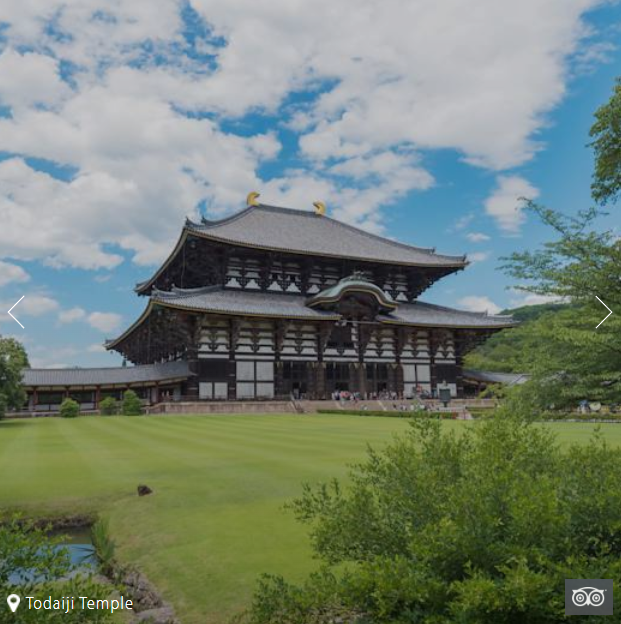
Todaiji Temple with its 15m high Buddha is the most prestigious of Nara's seven great temples and draws a steady stream of visitors. Enter by passing through Nandaimon Gate to get a look at its two 8-meter tall guardian figures with Herculean physiques. Behind the temple, Nigatsudo has lovely views of the city.
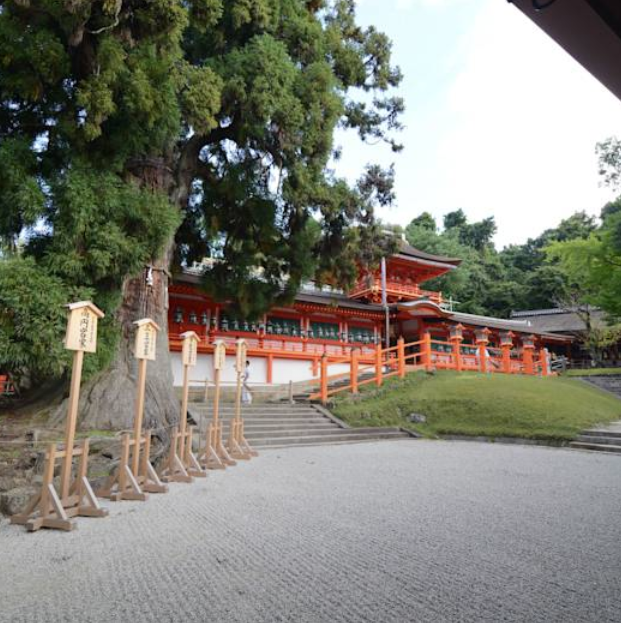
On the opposite side of the park from Todaiji, but connected by a pathway from Nigatsudo is Kasugataisha Shrine. The vermillion and white shrine buildings are festooned with beautiful brass lanterns, lit twice a year in winter and summer. The shrine is also famous for wisteria flowers that bloom in May.
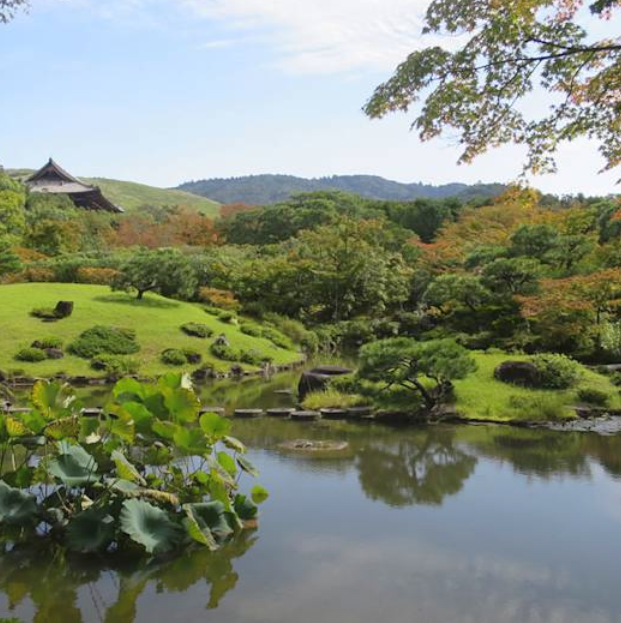
Towards Naramachi and away from the crowds, Isuien is a beautiful example of traditional garden design. It comprises a formal garden with stepping stones and a large strolling garden using the classical concept of borrowed scenery. The original villas and tea houses now offer meals. Designed for all seasons, the gardens are especially beautiful in autumn.
Kohfukuji National Treasure Hall, a stone's throw from Isuien, is another key Nara Park venue, renowned for its collection of Buddhist carvings by master carvers like Unkei of the Kamakura period. Some of the priest figures are unnervingly realistic. The view from Sarusawa Pond across to Kohfukuji Temple’s pagoda is also a must-see.
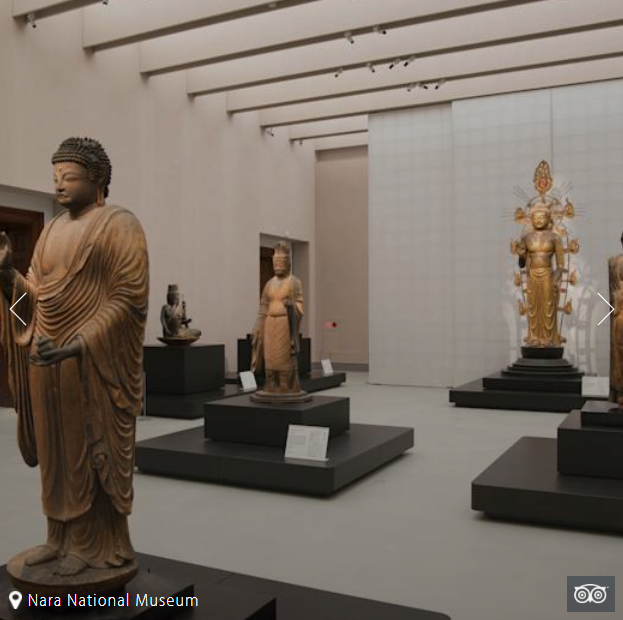
For more culture, check out Nara National Museum, which primarily displays Japanese Buddhist art. Even if pressed for time, the museum constructed in 1889 is worth a quick visit for a glimpse of its facade. Along with Nara Hotel, the museum's main building is a classic piece of Meiji period architecture.
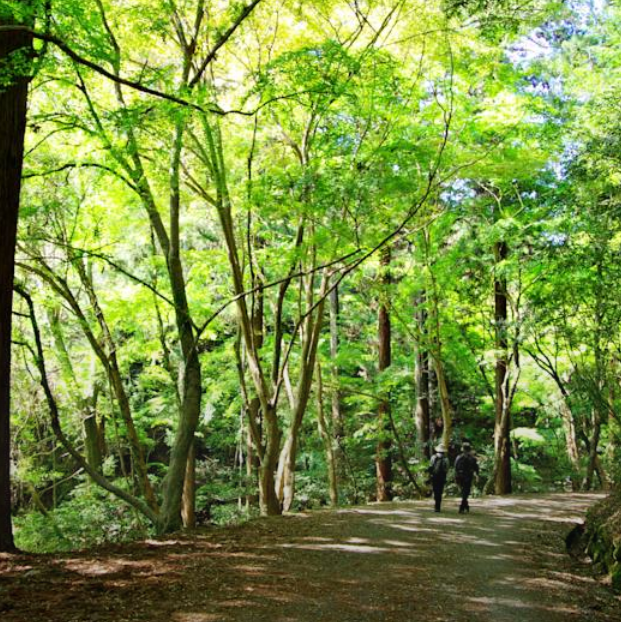
When in need of a break from sightseeing, and for unspoiled vistas over the city and its surrounds, walk one of the trails through Mt. Kasuga Primeval Forest, a sacred forest awarded World Heritage status. There are courses of various lengths but the best views are from the peak of Mt. Wakakusa. Certain sightseeing buses also include Mt. Wakakusa and lookout points along the scenic Nara Okuyama Driveway on their routes. |

| © WSSE 2026 | Nara, Japan | Email: wsse@sciei.org |
